

Artikel: Most Comfortable Clogs for All-Day Wear: Removable Insoles and Orthotic-Friendly Fit
Most Comfortable Clogs for All-Day Wear: Removable Insoles and Orthotic-Friendly Fit
Introduction
If you need more support than a fashion shoe usually gives, clogs can be a surprisingly strong option. The right pair feels easy to slip on, stable enough for long hours on your feet, and polished enough for work, dinner, or travel. The wrong pair feels rigid, heavy, or tiring before the day is over.
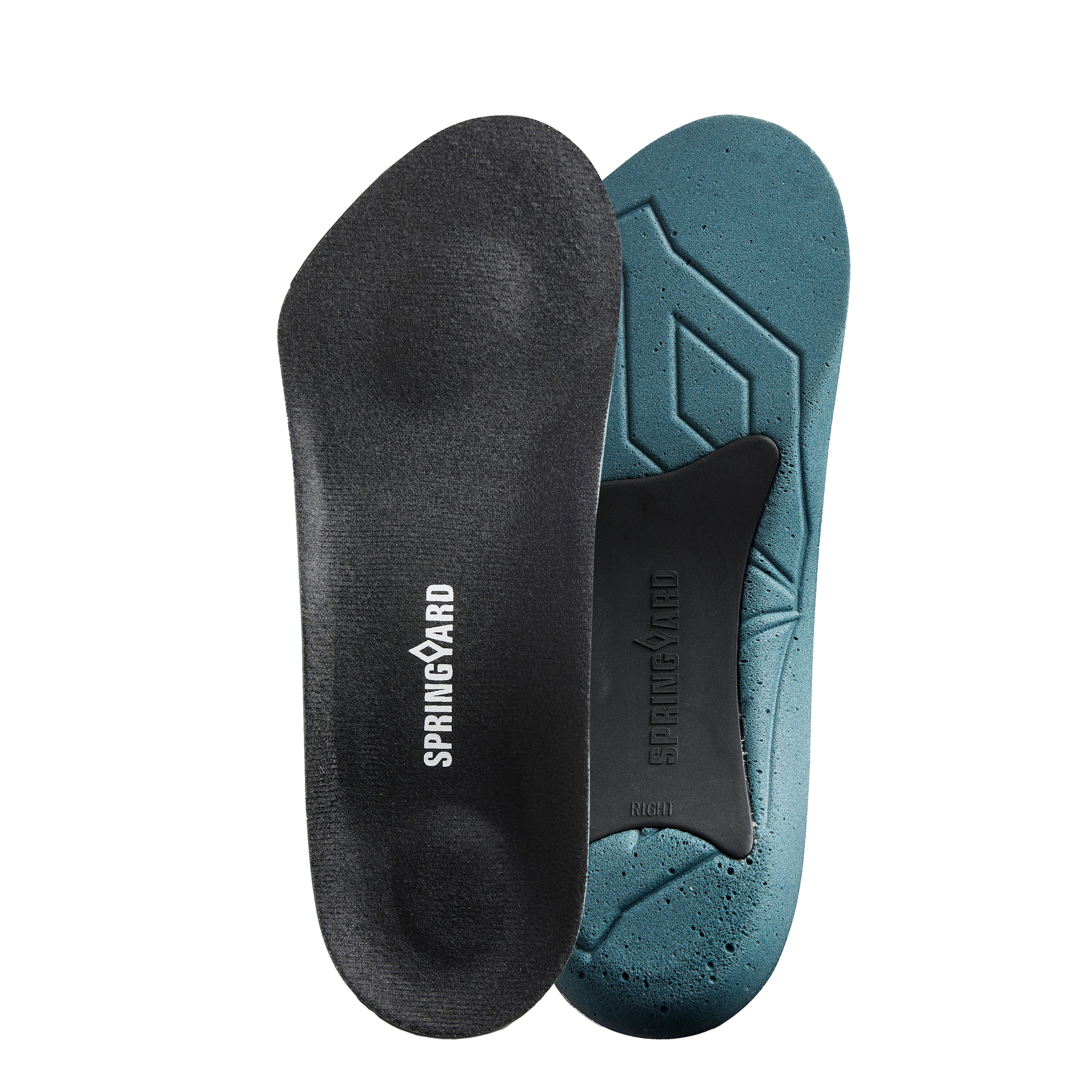
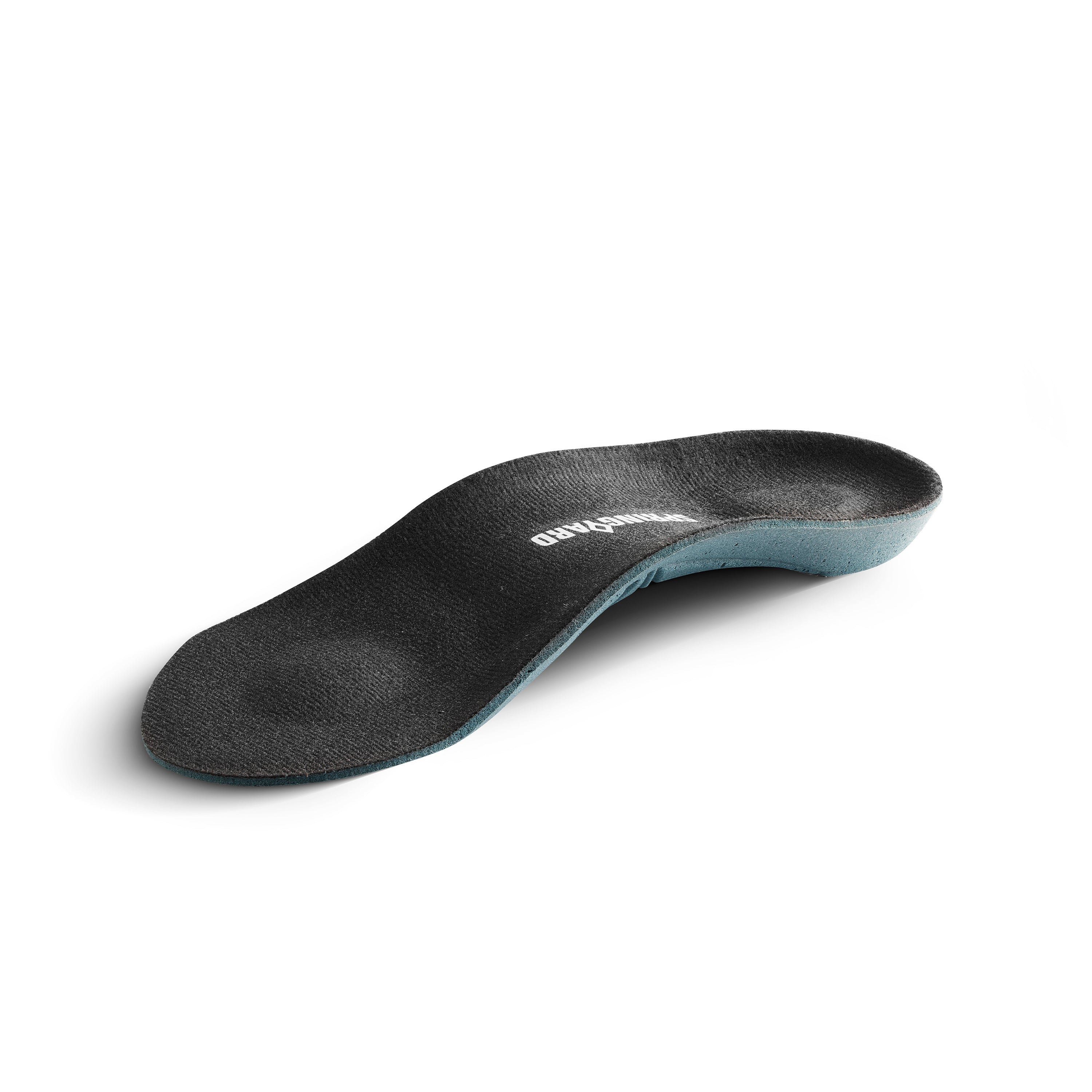
Most of that difference comes down to the sole. Traditional clogs are built on wood, which looks beautiful and gives very little as you walk. Calou clogs are built on a soft, cushioned polyurethane sole instead, so the shoe flexes with your foot and absorbs impact rather than passing it on. Four of our clog boots, Bodil, Fia, Viola and Nash, go a step further with a removable footbed, so you can swap in your own orthotics or adjust the fit.

What makes a clog orthotic friendly?
Orthotic-friendly does not always mean medical-looking, and it does not always mean the shoe has to be bulky. In practical terms, it means the clog helps create a more comfortable, more stable walking experience. A sturdy-looking clog is not automatically a supportive one. Some are shaped for the look, others are built for the wear, and the difference is in the construction rather than the silhouette.
The features below matter most.
| Feature | Why it matters | What to look for |
|---|---|---|
| Removable insole | Custom orthotics only fit if the original footbed comes out | A footbed you can lift out, not a glued-in one |
| Shock absorption | Reduces the hard impact that can build up through feet, knees, and back | Cushioned soles that soften each step |
| Flexibility | Helps the shoe move with your foot instead of forcing a stiff gait | A sole that flexes as you walk |
| Toe room | Prevents a cramped fit and gives the forefoot space | A generous toe box |
| Supportive shape | Helps the foot feel stable through long wear | Balanced footbed design and secure fit |
| Moderate heel drop | The gap between heel and platform matters more than the heel number alone | A platform under a higher heel, keeping the effective drop low |
| Quality upper materials | Softens and moulds to your foot instead of staying stiff | Leather or suede that softens with wear |
Which features matter most if you stand or walk all day?
If you spend long stretches on your feet, the right clog should help you forget about your shoes instead of making you think about them constantly.
Over a long day, the order of priorities shifts. Cushioning underfoot comes first, because impact is cumulative: what feels fine in the first hour has been repeated several thousand times by the sixth. Toe room comes next, and it matters more than most people expect, because feet warm and swell as the day goes on, so a fit that felt right at 8am can feel tight by mid-afternoon.
Heel height comes third, though the number on its own is misleading. What matters is the drop between the heel and the platform. A 7.5cm heel on a 3cm platform leaves a drop of around 4cm, which asks far less of your forefoot than the same heel on a flat base. That is why a heeled clog can feel easier to stand in than its heel height suggests.
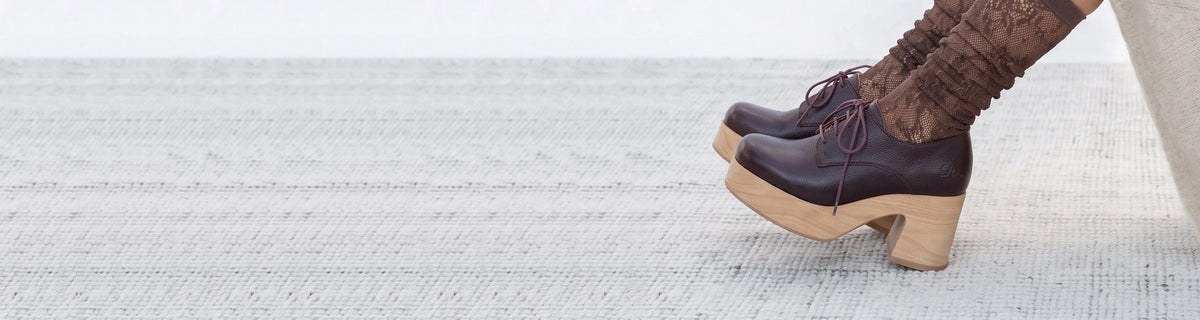
Calou's clogs are built around those priorities: a cushioned polyurethane sole, closer to a sneaker than to wood, a generous toe box, and platforms that keep the drop moderate even on higher styles.
The most common mistake is choosing a clog on looks alone, without thinking about how it behaves after five or six hours. A beautiful pair that feels heavy, rigid, or cramped is rarely the one you reach for again.
How Calou approaches comfort differently
Calou is rooted in Scandinavian design, with a construction built specifically for long wear.
Our clogs are designed in Stockholm and handcrafted in Italy and Portugal. Uppers are leather, suede, and nubuck, chosen to soften with wear and age well rather than stay stiff. Underfoot, the signature difference is the Calou sole: cushioned polyurethane that flexes as you walk, absorbs shock, and weighs less than a traditional wooden sole.
What that means in practice:
-
Designed in Stockholm, handcrafted in Italy and Portugal
-
Cushioned polyurethane sole, lighter and more flexible than wood
-
Removable anatomic footbed on many styles
-
Leather, suede, and nubuck uppers that soften with wear
-
Leather tanned at an LWG-certified partner
-
REACH-compliant materials
The result is a shoe made for work, travel, city walking, and daily wear rather than occasional use. You keep the structured clog silhouette, without the rigidity that usually comes with it.

How to choose the right Calou style for your needs
Different clog shapes suit different routines. If you are deciding between styles, start with how and where you plan to wear them.
| Need | What to prioritize | Style to consider |
|---|---|---|
| Long workdays on hard floors | Cushioned sole, secure fit, toe room, low heel | Annika or Helena, both closed classic clogs on a low heel |
| Wearing custom orthotics | A footbed you can lift out, plus room over the instep | Bodil, Fia, Viola or Nash, our clog boots with removable footbeds |
| A secure fit that stays put all day | A strap or buckle across the instep so the foot is not gripping | Diana or Iwa, Mary Jane clogs with a buckle strap |
| A classic clog look with a softer feel than wood | A real wood veneer over a PU base: shock-absorbing, though firmer than our other styles | Annika or Knyta |
| Everyday wear from work to off-duty | Support with styling versatility | Eivor or Lilja |
| More coverage through cooler seasons | Clog comfort with added structure | Viola ankle clog boot or Doris Chelsea clog boot |
f more than one row sounds like you, start with the day you wear most often rather than the outfit you had in mind. The pair that works for your longest day is the one you will keep reaching for. One note: the removable footbed is a clog boot feature, so if you wear custom orthotics, choose from Bodil, Fia, Viola or Nash.
How should clogs fit?
Support starts with fit. Even a well-designed clog can feel wrong if the sizing or shape does not suit your foot.
- Give the toe box room Your toes should not feel compressed at the sides or pushed against the front. A little extra space is more comfortable over a full day than an exact fit, especially if you wear socks or fall between sizes.
- Look for a snug hold, not a tight one A clog should feel stable without gripping the foot. Styles with a strap or buckle across the instep let you fine-tune how secure it feels.
- If the fit is roomy over the instep, use tongue pads A low instep can leave a gap even when the length is right. Tongue pads fill that space and stop the foot sliding forward, which is a common cause of discomfort over a long day.
- Judge heel height by the drop, not the number A 7.5cm heel on a 3cm platform sits closer to a 4cm shoe in how it feels underfoot. Look at the platform as well as the heel before deciding a style is too high.
- Choose materials that soften naturally Leather and suede adapt to the shape of your foot over time. Stiff synthetic uppers tend to stay as they started.
- If you wear orthotics, start with the boots A custom insert needs the original footbed removed, which is possible on Bodil, Fia, Viola and Nash. Take the original out before fitting yours, and size up if you are between sizes.
Two practical notes from our own fit guidance: if a pair is right in length but feels slightly roomy, an insole usually solves it, and leather that feels tight across the instep can be stretched by a cobbler. Both are worth knowing before you size up or down.

Who are clogs best for?
If your day is measured in hours on your feet rather than occasions, this is the kind of shoe that earns its place. Standing, walking, and hard floors are what turn a small comfort problem into a real one by mid-afternoon.
-
Teachers, on their feet through back-to-back lessons on hard classroom floors
-
Healthcare and care workers, covering long shifts with little chance to sit
-
Retail and hospitality staff, standing for most of a shift and walking the rest
-
Office workers who commute on foot, needing one pair that handles the walk and the desk
-
Travellers, who want comfort without resorting to trainers
-
Anyone who wears orthotics, and needs a shoe their own inserts actually fit into
-
Anyone who likes clogs, but not the stiffness of a wooden sole
What these groups have in common is hours, not occasions. A shoe worn for eight or ten hours is judged by how it feels at the end of the day, not the start. That is the standard worth applying when you choose a pair.
Conclusion
Comfortable all-day clogs come down to three things: a sole that flexes and absorbs shock, a footbed shaped to your arch, and enough room that your foot is not fighting the shoe. If you wear custom orthotics, add a fourth, a footbed you can lift out.
Calou's clogs are designed in Stockholm and handmade in Italy and Portugal, built on a cushioned polyurethane sole rather than rigid wood. The look stays classic. The wearing experience does not.
Frequently asked questions
What makes a clog orthotic friendly?
An orthotic-friendly clog offers cushioning, toe room, a moderate heel drop, and a supportive fit. It is worth separating two things: a shoe is orthotic-compatible when the footbed lifts out and your own insert goes in, and orthotic-friendly when its shape and cushioning already make movement easier. Most people looking for orthotic-friendly clogs want the second, but if you need the first, check that the footbed is removable before ordering.
Can you put orthotics in clogs?
It depends on the construction. A clog with a fixed footbed cannot take a custom insert, because leaving both in makes the shoe too tight and sits the arch too high. At Calou, the removable footbed is a clog boot feature: Bodil, Fia, Viola and Nash all have one, so you can take the original out and fit your own orthotic in its place. Our clogs are built for cushioning, toe room, and all-day wear rather than insert compatibility.
Can you put orthotics in wooden clogs?
Usually not. On a traditional wooden clog the footbed is shaped into the sole itself, so there is nothing to remove and nowhere for an insert to sit. Adding an orthotic on top makes the shoe too tight and raises your arch higher than intended. You need a separate, removable footbed, which at Calou means one of the clog boots: Bodil, Fia, Viola or Nash.
Are clogs good for people who use orthotics?
It depends on the orthotic. If you use slim inserts, or mainly want relief from fatigue rather than correction, a soft clog with a cushioned sole, generous toe box, and moderate heel drop is often a good match. If you rely on substantial custom orthotics, you need a footbed that lifts out, which at Calou means one of the clog boots: Bodil, Fia, Viola or Nash. Check depth and room over the instep as well as length.
Are Calou clogs orthopedic?
Calou clogs are not orthopedic footwear, which is designed for medical or corrective purposes and is typically prescribed. They are built for comfort over long wear, with a cushioned polyurethane sole that absorbs shock, a generous toe box, and platforms that keep the heel drop moderate. If you wear custom orthotics, our clog boots with removable footbeds are the styles to look at.
Are clogs good for plantar fasciitis?
Clogs can suit some people with plantar fasciitis if they offer cushioning, shock absorption, a supportive shape, and a stable base. A softer clog is generally easier than a rigid one for long days on hard floors. Because plantar fasciitis varies a great deal from person to person, it is worth speaking to a podiatrist about what your feet need before choosing footwear.
Are wooden clogs bad for your feet?
Wooden clogs are not bad for your feet, but they are less forgiving over long wear. Wood does not flex or absorb shock, so impact travels up through the foot, knees, and back, and the shoe works against your stride rather than with it. They are also heavier. Calou clogs use a cushioned polyurethane sole, closer to a sneaker than to wood, which flexes as you walk and weighs less. Annika and Knyta keep a real wood veneer on top so the classic look stays intact, with PU beneath for shock absorption.
Do orthotic friendly clogs have to look bulky?
No. Supportive clogs do not have to look heavy or technical. A well-designed pair can still feel refined and easy to style, especially when the comfort is built into the sole construction rather than added through bulky external features.
Which Calou clogs are best for long days on your feet?
Annika, Helena, Diana, Siri and Eivor are good places to start. All are closed low-heel clogs built on the cushioned sole, with room through the toe area and a fit designed for standing and walking through the day. If you wear custom orthotics, look at the clog boots instead, since those have removable footbeds.
Can I wear orthotic friendly clogs to work?
Yes, especially if your work involves standing, walking, or hard floors. Many people choose supportive clogs because they balance comfort with a presentable look that works in professional settings.
What should you avoid when buying clogs?
The most common mistake is assuming a clog is supportive because it looks sturdy. Some are shaped for the look; others are built for long wear, and the difference is in the sole rather than the silhouette. The second is focusing only on arch support while ignoring shock absorption, which matters just as much if you spend time on hard floors. The third is buying too tight: a snug fit can seem neat at first, but cramped toes become obvious as feet swell through the day. And the fourth is treating style and comfort as opposites, when the pair you actually wear often is the one that manages both.

