
Artikel: Best Alternatives to Dansko Clogs
Best Alternatives to Dansko Clogs
Dansko is one of the best-known clog brands in the United States, and for the job it was designed to do it is very good. But it was designed for a specific job, and not everyone who buys one is doing that job.
This guide sets out what a Dansko clog is in construction terms, what to compare when you are looking at alternatives, and which Calou Stockholm styles suit which kind of wearer.
What a Dansko clog actually is
It is worth being precise here, because the answer is not the same across their range.
The Professional, Dansko's best-known model and the one most people mean, is built on a moulded polyurethane outsole and midsole, with the leather uppers stapled to that base. No wooden base. Their Ashland line is the opposite: genuine wooden soles, carved and hand-stained, held with individually hammered nails and fitted with rubber treads for grip.
So if you are comparing a Calou clog with a Dansko Professional, you are comparing two polyurethane soles.
Dansko moulds its polyurethane into what they call a PU rocker bottom, shaped to promote forward motion and roll you through the step. Calou's polyurethane is a flexible cushioned sole that bends as the foot bends.
What to compare when looking at alternatives
Four specifications decide whether a clog will suit you. Check these before anything else.
Sole behaviour. A rigid rocker gives you a stable platform and rolls you forward. A flexible sole bends with the foot. People tend to have a strong preference once they have tried both, and it rarely goes the same way twice. If you have worn a rocker sole and disliked how it felt, a flexible sole is the thing to try.
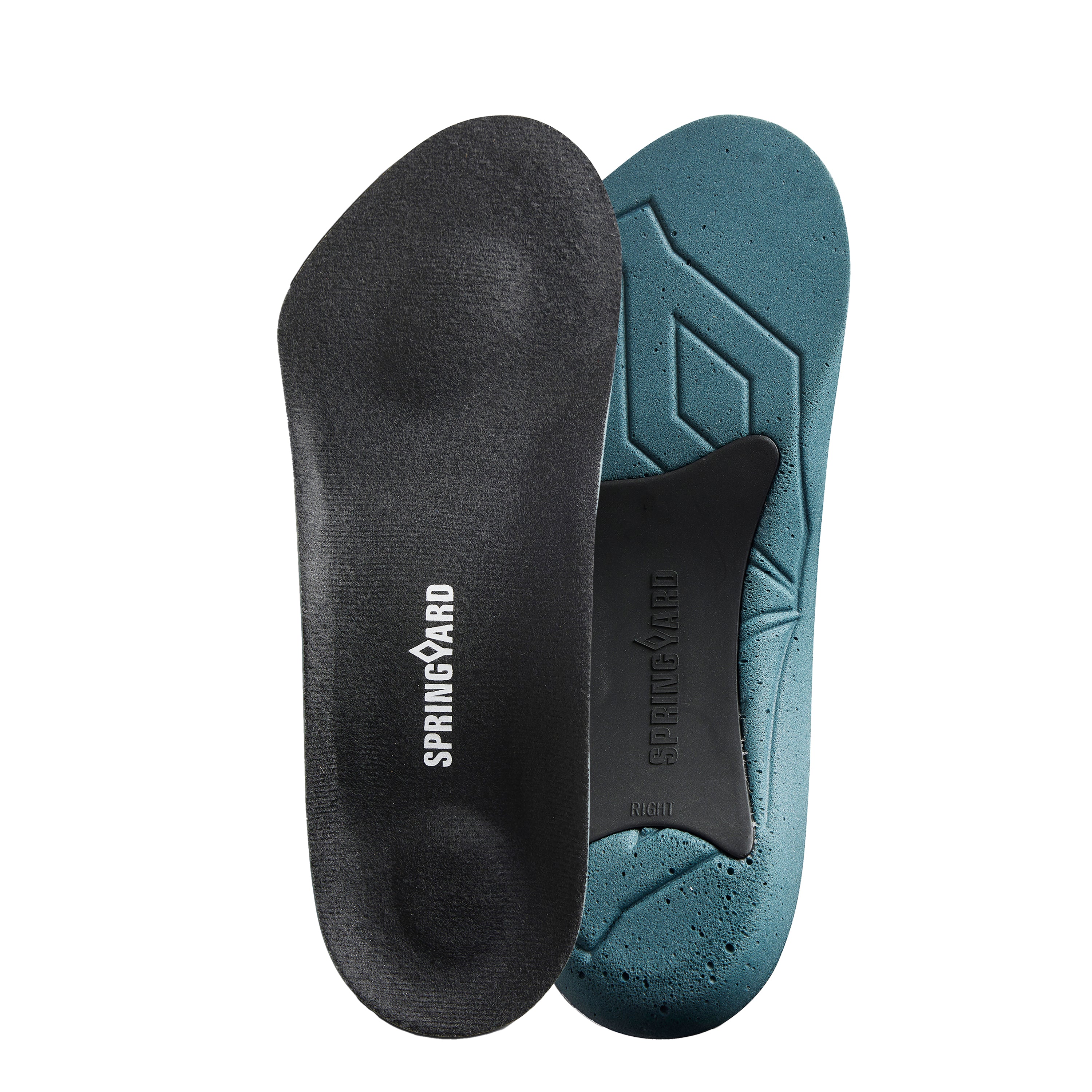
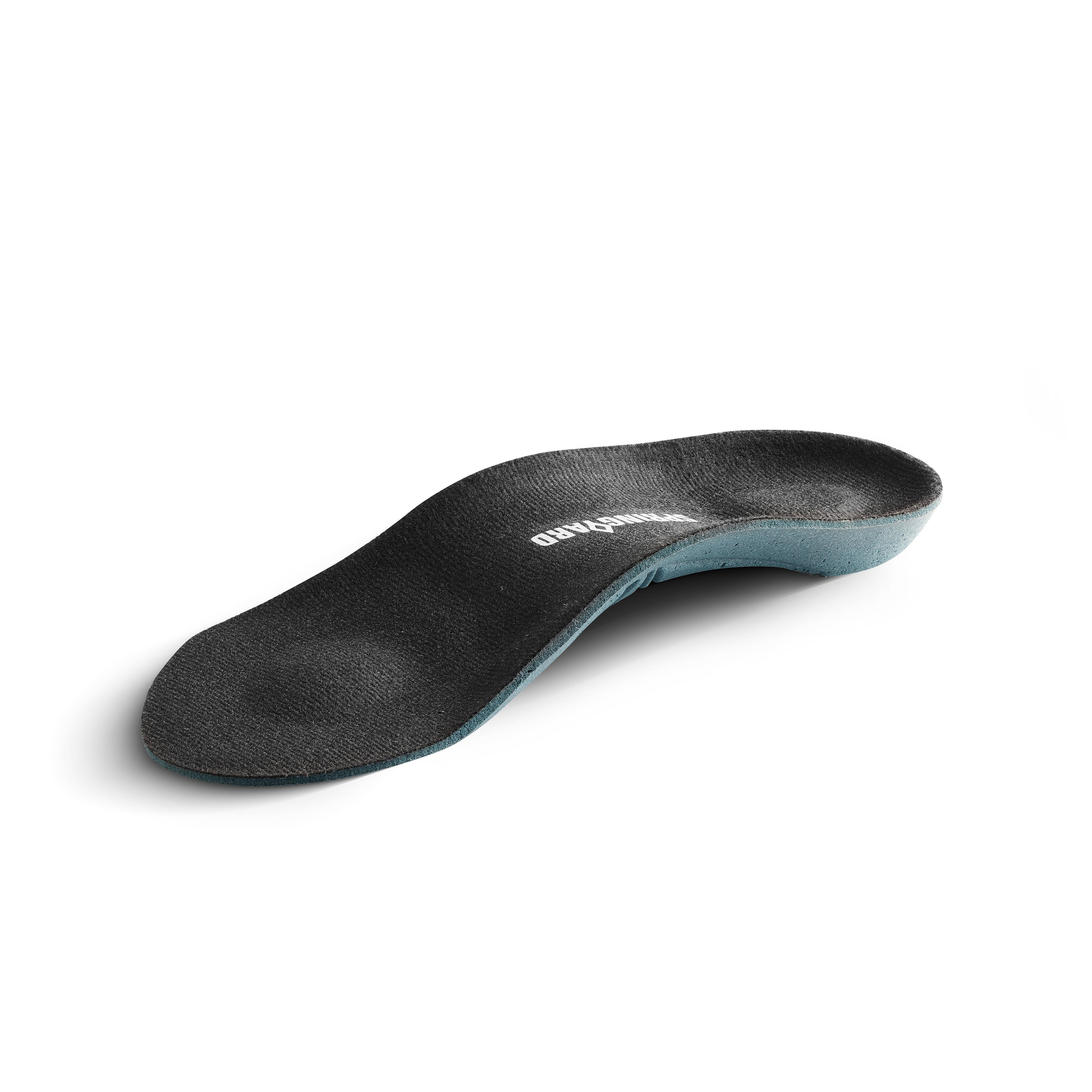
Footbed removability. This is the single most important specification if you wear custom orthotics, and it is binary: either the insole lifts out or it does not. A clog with a fixed footbed cannot take a custom insert, whatever else it does well.
Width and fit. Clogs vary more than most footwear here. Check whether the maker states a width, and whether the style runs true, narrow or wide.
How it looks. This is subjective and it is not a trivial consideration. Every shoe is designed with a setting in mind, and the useful question is whether that setting matches yours. If you want something that still works with the rest of your wardrobe once the day ends, treat that as a specification rather than an afterthought.
Dansko vs Calou: side by side
Prices as listed in November 2026. Dansko's figure varies by colourway and promotion.
The orthotics question
This is where the two brands diverge most usefully, and it is worth getting right.
Dansko's own clog guide identifies the XP 2.0 as the model with a removable insole, stating that it "makes it compatible with custom orthotics." The guide does not describe the Professional in the same terms. So if you wear custom orthotics and you are looking at Dansko, the XP 2.0 is the model to consider, not the classic Professional.
On the Calou side, several styles are built with removable shaped insoles, including Bodil and Viola. The insole lifts out and your own orthotic goes in.
Whichever brand you choose, confirm that one specification first.
Designed in Stockholm, made by hand
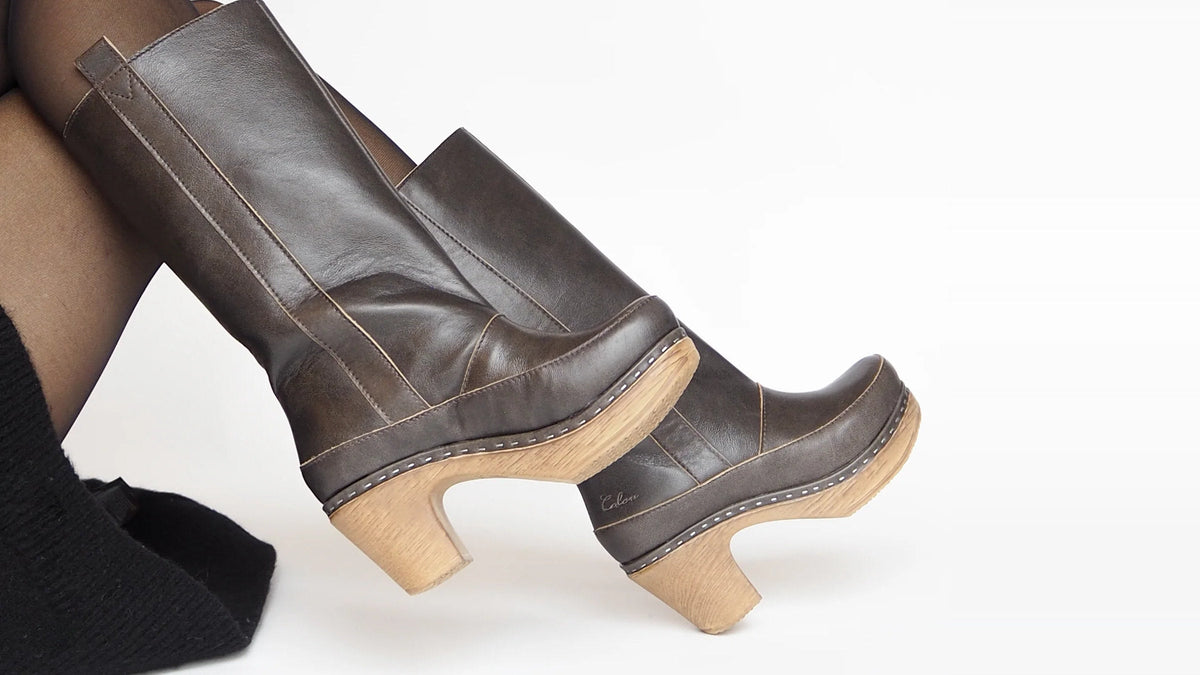
Every Calou pair is designed in Stockholm and handmade in small workshops in Italy and Portugal. The craft tends to show in the details rather than the silhouette: the loafer piping that traces the seam on the Viola boot, the braided leather across Helena's upper, the real wood veneer that tops Annika's sole.
The leather is full-grain, from LWG-certified tanneries, and it is chosen to age. It softens with wear, shapes to the foot, and takes on a patina particular to the person wearing it, so a pair usually looks better in its third year than its first.
A clog is a practical shape. We think it can be a beautiful one too, and that the two are not in tension.

Calou styles that answer the same need

How to choose between them
Who should stay with Dansko
Dansko holds the American Podiatric Medical Association Seal of Acceptance and SATRA-approved slip resistance. We hold neither. If your workplace requires certified slip-resistant footwear, as many hospitals and commercial kitchens do, that requirement should decide your purchase.
The Dansko Professional is also the less expensive shoe, by a considerable margin.
Conclusion
Dansko built its reputation on a stable, certified platform, and for clinical work that reputation is earned. If you need certified slip resistance at around $150, it remains the right buy and nothing here changes that.
The case for an alternative is about a different kind of day: hard floors rather than wet ones, walking as much as standing, and a shoe you do not need to change out of. That calls for a sole that flexes and - if you wear orthotics - a footbed that lifts out.
Browse Calou clogs and clog boots, or read our guide to choosing the right heel height.
Frequently Asked Questions
What are the best alternatives to Dansko clogs?
The best alternative depends on why you are leaving. If you want a flexible sole rather than a rigid rocker, a soft-soled European clog is the closest match, and Calou's Bodil adds a removable insole and a slightly wider fit. If you need certified slip resistance for a clinical or commercial kitchen floor, no fashion-led clog replaces the Dansko Professional, and you should stay with it. And if your objection is the price, be aware that handmade European alternatives cost more, not less.
Are Dansko clogs made of wood?
Some are and some are not, so it depends on the model. The Dansko Professional, their best-known clog, is built on a moulded polyurethane outsole and midsole with the leather uppers stapled to that base — no wooden base, despite the chunky silhouette. Dansko's Ashland line is different: those clogs use genuine wooden soles, carved and hand-stained, with rubber treads added for grip. If sole material matters to you, check the specification of the particular model rather than assuming it either way.
Can you put orthotics in Dansko clogs?
It depends on the model. Dansko's own clog guide identifies the XP 2.0 as having a removable insole that "makes it compatible with custom orthotics." The guide does not describe the classic Professional in the same terms. As a general rule, a clog with a fixed footbed cannot accommodate a custom insert, so confirm that specification before buying. Among Calou styles, Bodil and Viola both have removable shaped insoles that lift out so your own orthotic can go in.
What is the difference between a rocker sole and a flexible sole?
A rocker sole is curved and rigid, so it rolls the foot forward through the step rather than bending. It creates a very stable platform, which is why it is common in occupational footwear designed for standing in one place. A flexible sole bends with the foot as you walk. Neither is better in the abstract: people tend to have a clear preference once they have worn both, and that preference does not correlate neatly with foot type. If you have tried one and disliked it, trying the other is the useful next step.
Is Calou more comfortable than Dansko?
They are built on different principles, so the honest answer depends on you. Dansko's rocker bottom provides a stable platform and carries an APMA Seal of Acceptance. Calou uses a flexible cushioned sole that bends with the foot, which tends to suit people who walk as much as they stand and who find rocker soles unstable underfoot. Neither construction suits everyone, and comfort claims from any brand are worth less than trying the shoe.
Are Calou clogs certified for slip resistance?
No. We do not currently hold SATRA slip-resistance certification or the APMA Seal of Acceptance, both of which the Dansko Professional carries. If your workplace requires certified slip-resistant footwear — many hospitals, commercial kitchens and care settings do — that requirement should decide your purchase, and a certified occupational clog is the right choice.
How much do Dansko alternatives cost?
Expect to pay more, not less. The Dansko Professional sells for around $140–$155 in the US depending on colourway and whether it is on promotion, and their wooden-soled Ashland clogs are $260. Handmade European clogs generally start higher: Calou styles run from $193 for the Annika classic clog to $443 for the Bodil clog boot. The difference reflects handmade production in Italy and Portugal and LWG-certified leather, but it is a real gap. If budget is the deciding factor rather than sole construction, fit or appearance, Dansko is the better value.
What should I look for in a clog if I stand all day?
Four specifications matter most. Check whether the sole is rigid or flexible, and choose based on which you have got on with before. Check whether the insole is removable, which is essential if you use custom orthotics. Check the stated width and fit, since clogs vary more than most footwear. And if your floor is ever wet, check for certified slip resistance, which is a safety specification rather than a comfort one.